The long-standing debate about whether latex or leather is the superior material for fashion has been going on since the 19th century. Rather than suggesting that one of these materials is better than the other for all individuals, it is more beneficial to appreciate how these two different materials appeal to different aesthetics and lifestyles; therefore, providing transformative experiences. Using a side-by-side comparison, you can use this guide to help determine which of these two types of fabric has characteristics that meet what you are searching for.
1. Source and Basic Makeup
Latex Source: Latex is made primarily from the sap (latex) of the rubber tree (Hevea brasiliensis) and is therefore a natural, plant-based, renewable commercial product. Once processed and treated (with the addition of sulphur) into sheets, latex is a naturally elastic and smooth, rubbery product. The fact that it comes directly from a plant makes it an attractive, bio-based product that cannot be replicated in a laboratory.
Leather Source: An old-fashioned material created from animal skin (like cow or sheep) that is tanned using different types of chemicals to preserve the natural fibrous structure. The tanning process gives leather its strength and repeatability and provides each hide with its own unique characteristics (e.g., wrinkles, scars, etc.) so that no two pieces of leather are ever the same.
2. Aesthetic and Visual Appeal
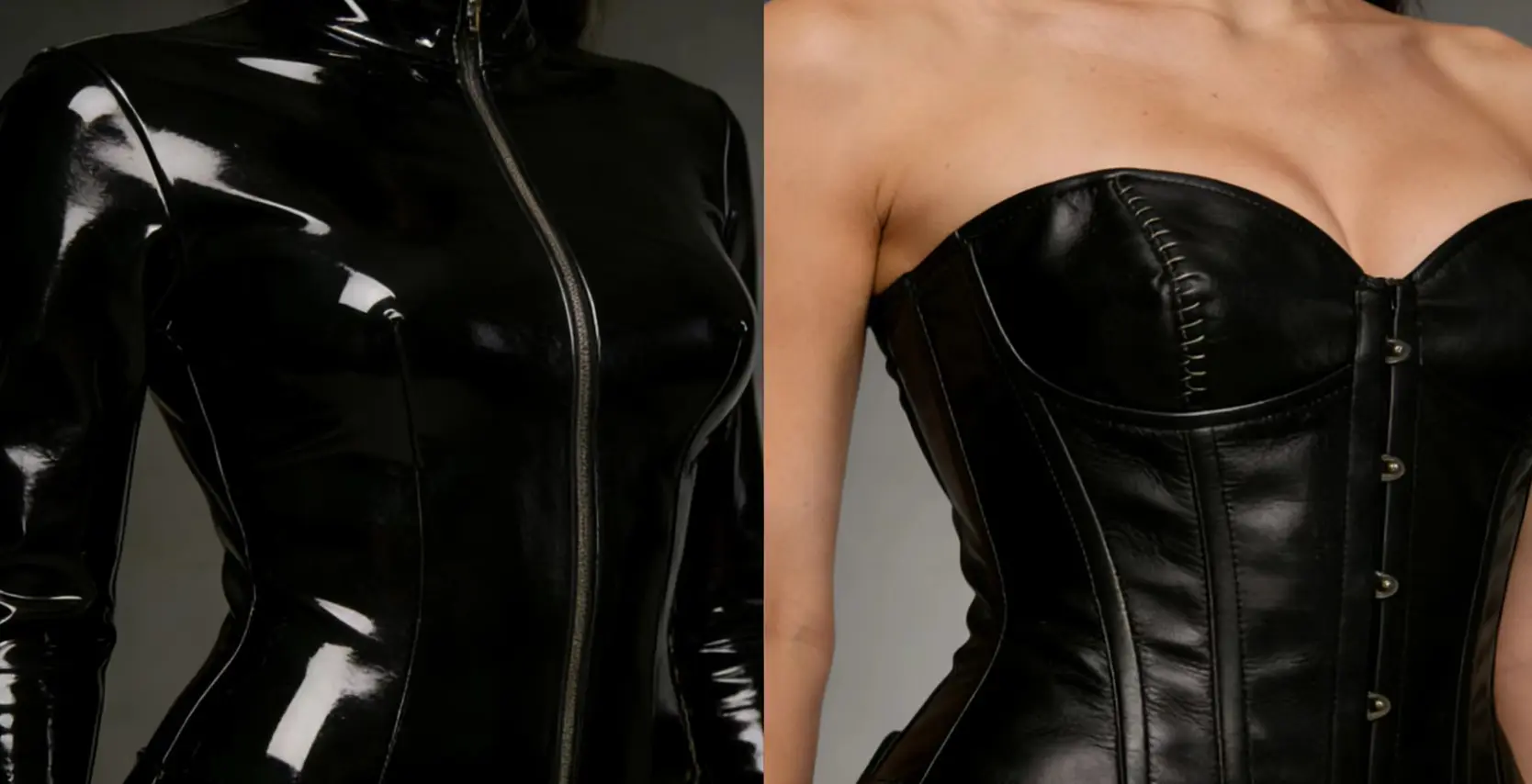
Latex: With its high-gloss dramatic shine, latex is considered the master of high-gloss finishes. When polished, latex has a mirror-like appearance that provides a wet-looking effect to the body by sculpting it with light and shadow, giving it an attention-grabbing, futuristic, and photogenic silhouette that is synonymous with avant-garde style.
Leather: Leather is a traditional and classic aesthetic. The range of finish on leather can go from matte to having a rich subdued sheen. The lifelong benefit of leather is its ability to develop a patina; as you use your leather item(s), they develop a soft sheen and personal nature, which deepens over time, documenting the story of how they were used.
3. Sensory Feel/Comfort:
The advantage of latex is that it provides a sensation of being continually ‘formed’ to your body like a second skin. Latex can also give the sensation of gentle, even pressure, which is empowering for many people, and is constantly cool and smooth to touch, however, latex warms to your body temperature when placed against your skin.
The advantage of leather is that it allows for repeatability and it absorbs moisture from your body. Once leather has been used to your body, it fits comfortably as if it were a part of you. Leather provides a tactile experience that is more classic/rugged than latex.
4. Durability/Longevity:
Strength of Leather: One of the biggest strength of leather is the high-quality full-grain leather, which is very strong and wears very well; properly maintained leather clothing can last many, many years, often growing better with age, while being very resistant to puncture and affected by environmental factors.
Strength of Latex: latex is very strong when pulled; latex is both 100% waterproof and very resistant to multiple chemicals. With proper care, latex is also a durable material, but latex can tear if punctured or overstretched, and it will degrade when exposed to enough UV light.
5. Care/Maintenance:
Routine of Leather: Leather needs to be conditioned every few months with the proper oils or creams, so that the leather does not dry out and crack. Leather should never be stored in direct sunlight, nor should it be stored in a hot/dry location. The maintenance and care of leather is fairly simple, but critical to the life of leather items.
Routine of Latex: In contrast, latex requires a more thorough care and maintenance regimen to maintain its shape/quality than leather.Once you’ve worn latex, you must wash it with mild soap, dry it thoroughly, and use a silicone-based shine preservative to maintain its shine and keep the material from sticking to anything else. Store your latex away from heat and light in a talc or silicone coated state.
6. Price & Value Perception
Leather usually has a higher initial purchase price than latex due to the extensive processing and highly skilled craftsmanship needed to create leather from raw hides. Many people consider leather a long-term investment piece when purchasing.
On the flip side, latex usually has a lower entry price point for the price, though high-end designer latex pieces can come with a hefty price tag. Most people see value in the aesthetic appeal and sensory experience compared to the pricing and durability of latex.
In conclusion, the ultimate decision is up to you
Select Leather if you: Appreciate the classic / timeless look that develops character as it ages; need extreme durability for long-lasting use; want something that breathes naturally; and appreciate the feel of organic material.
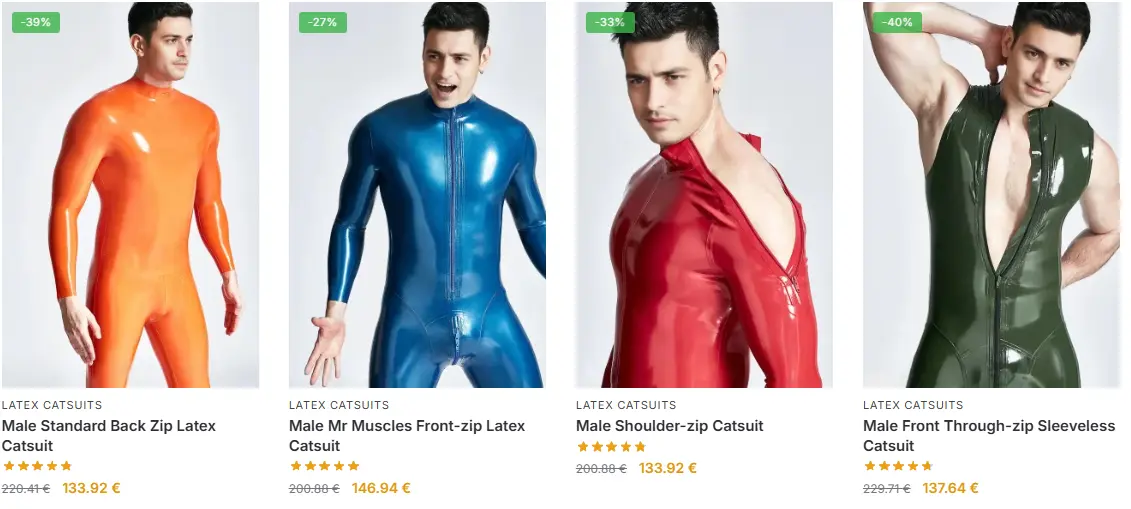
Select Latex if you: Are attracted to the stunning and unique high-fashion look associated with latex; love a second skin feeling; expect an exact – body conforming fit; or are looking for material consistent with new-age – vegan (for natural latex) and avant-garde fashion statements.
When you recognize the unique strengths of both latex and leather, you will be able to confidently select the material that best matches your personal identity and desired experience.